
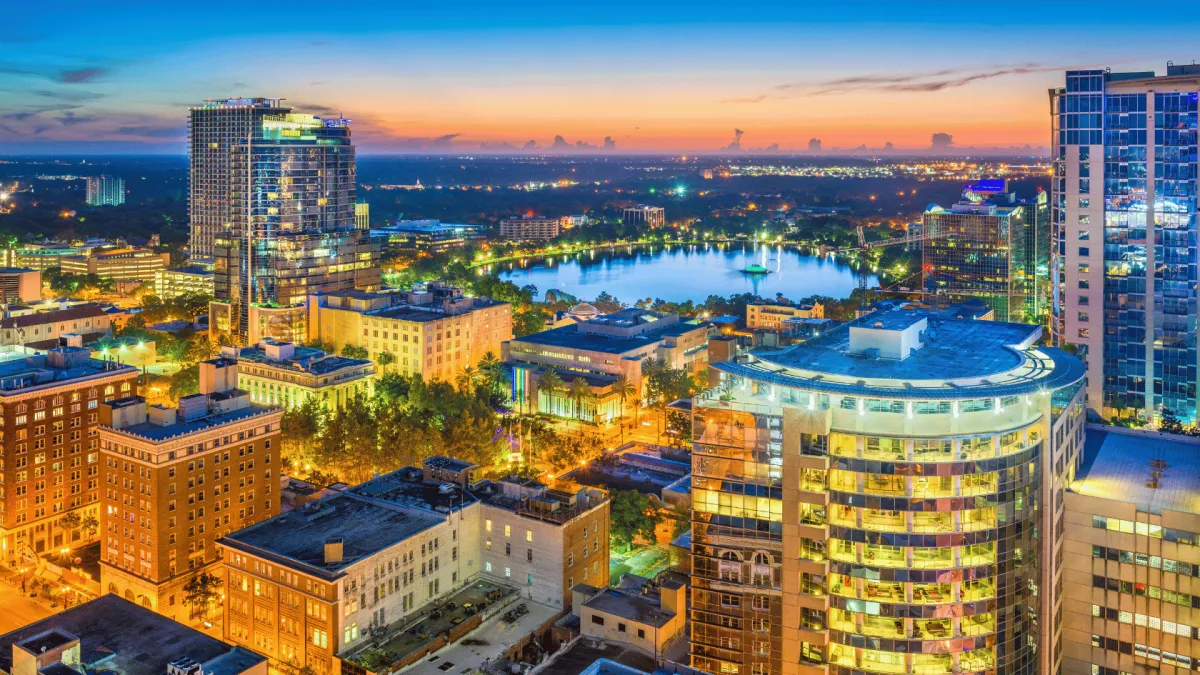
Buying a Vacation Rental in Central Florida: Orlando to the Gulf Coast
Central Florida spans three genuinely different investment markets. The Orlando/Kissimmee theme park corridor is one of the most established short-term rental markets in the country, built around purpose-designed, HOA approved vacation home communities — a very different dynamic than a random neighborhood Airbnb. The Tampa Bay / St. Petersburg / Clearwater Gulf Coast offers beach-driven demand with more traditional coastal insurance and flood considerations. Ocala, further inland, is a different investment thesis altogether — horse country and a growing retiree and relocation market, with lower short-term rental demand but different long-term potential. Matching your financing to the right market starts with understanding which of these three you're actually buying into.
Central Florida gets grouped together on a map more than it should be as an investment market. Orlando's theme park economy, the Gulf Coast's beach tourism, and Ocala's inland horse country each attract a different kind of buyer for a different kind of reason — and each comes with its own financing and insurance considerations.
Orlando and Kissimmee: The Purpose-Built Vacation Rental Market
This is one of the most unique vacation rental markets in the state, and arguably the country. Much of the short-term rental inventory around Orlando — particularly in areas like Kissimmee, Championsgate, and Davenport — sits within communities specifically developed and zoned for vacation rental use, with HOAs that permit and often actively support short-term leasing. That's a meaningfully different situation than buying a condo in a building where short-term rentals are merely tolerated or could be restricted later.
The upside is regulatory clarity: buying in one of these purpose-built communities generally means you know exactly what you're allowed to do with the property from day one. The tradeoff is saturation. This is a mature, high-supply market with a large number of similar properties competing for the same theme-park-driven demand, which puts real pressure on average daily rates and makes differentiation — furnishing quality, amenities, professional photography, dynamic pricing — matter more here than in less competitive markets.
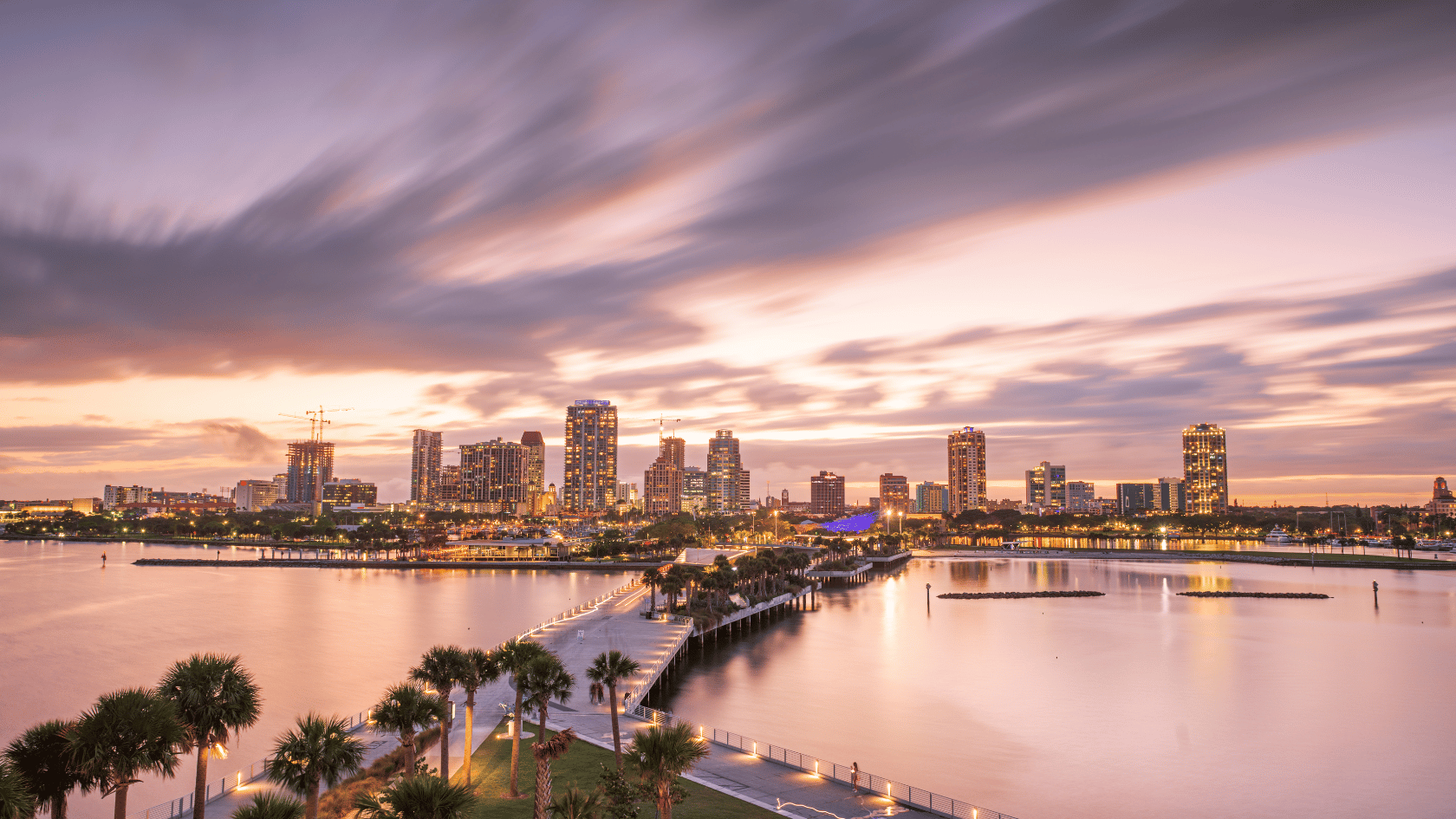
Tampa Bay, St. Petersburg, and Clearwater Florida: Gulf Coast Beach Demand
Move west and the market shifts to a more traditional Gulf Coast beach dynamic. St. Pete Beach, Clearwater Beach, and the surrounding barrier island communities draw steady tourism, and Tampa itself adds a layer of business and event travel on top of leisure demand.
This stretch behaves more like a classic coastal vacation rental market — regulations vary meaningfully by city and by whether a property sits within a barrier island community or further inland, and insurance costs follow the same pattern seen elsewhere on Florida's coasts: properties directly on or near the water carry meaningfully higher premiums and are more likely to sit in a mapped flood zone requiring separate coverage.
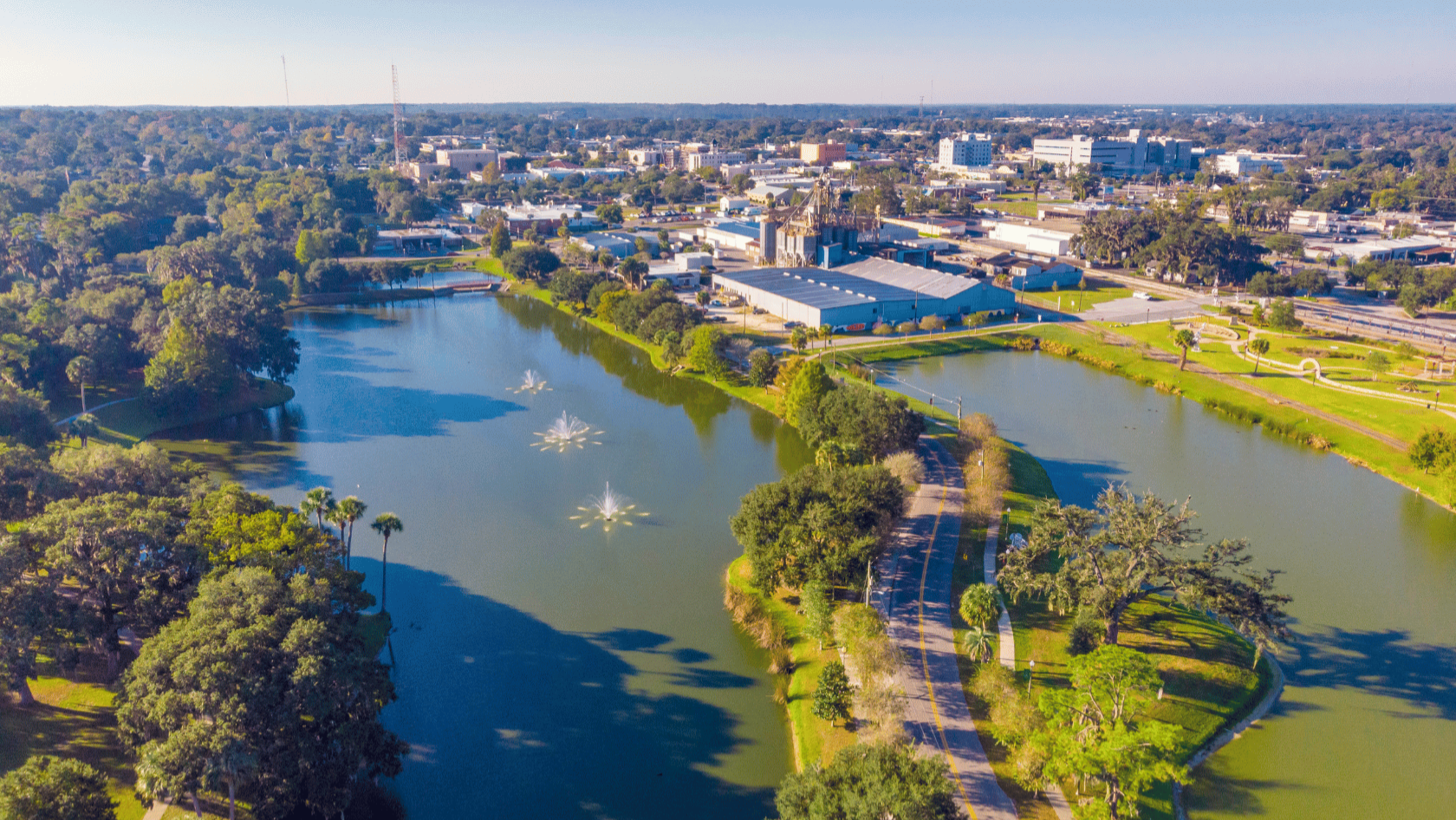
Ocala: A Different Kind of Investment Entirely
Ocala doesn't fit the short-term rental mold the way Orlando or the Gulf Coast beaches do. It's known nationally for its horse farms and equestrian industry, and it has become an increasingly popular relocation destination for retirees and remote workers drawn to lower prices and a slower pace than the coasts.
For an investor, Ocala is generally a different thesis: less about nightly vacation rental income and more about long-term rental demand, appreciation potential, or a hybrid strategy tied to equestrian events that draw temporary visitors during specific seasons. If you're evaluating Ocala with an Orlando-style short-term rental model in mind, it's worth stress-testing that assumption against actual local demand rather than assuming the strategy transfers.
Insurance and Flood Zone Considerations by Sub-Market
Orlando/Kissimmee — generally inland and away from direct coastal flood exposure, which typically means more moderate insurance costs relative to Florida's coastal markets, though statewide insurance pressure still applies and should be confirmed property by property.
Tampa Bay/St. Pete/Clearwater — coastal and barrier island properties carry the same considerations as other Gulf Coast markets: confirm flood zone designation, roof age, and wind mitigation credits before you're under contract, since premiums can vary significantly even between nearby properties.
Ocala — inland and generally lower flood risk than the coasts, though standard homeowners insurance costs have risen statewide and shouldn't be assumed to be dramatically lower without a real quote.
Market Saturation and Competitive Landscape
Orlando/Kissimmee is the most saturated of the three sub-markets by a wide margin — a large existing supply of vacation rental homes means new buyers are competing on quality and marketing, not just location. The Gulf Coast beach communities are moderately saturated and vary block by block depending on proximity to the water and local regulation. Ocala has comparatively little short-term rental competition, which cuts both ways: less competition, but also less established demand and infrastructure for that specific strategy.
Matching the Property Type to Your Financing
Because these three sub-markets represent genuinely different investment strategies, the right loan often follows the strategy rather than the region as a whole. A purpose-built Orlando vacation home in an STR-approved community may fit well with a DSCR Loan qualified on strong, predictable rental comps. A Gulf Coast beach property might lean toward Second Home Loan or Conventional Investment Property Financing depending on personal use plans. An Ocala property aimed at long-term rental or relocation may not need investor-specific financing at all, depending on how you intend to use it. Comparing your specific goals against the property — not the broader Central Florida label — is the right starting point.
Frequently Asked Questions
Are all vacation rental communities near Orlando zoned for short-term rentals? No — this varies by community. Some are specifically developed and HOA approved for short-term rental use, which offers more certainty, while others may have restrictions. Always confirm the specific community's rules directly rather than assuming based on proximity to the theme parks.
Is the Orlando vacation rental market oversaturated? It's a mature, high-supply market, which means competition is real and differentiation matters more than it might in a less established area. That doesn't mean it's a bad market — it means returns depend more heavily on how well the property is presented and managed compared to newer or less competitive markets.
Is Ocala a good market for Airbnb-style short-term rentals? Generally, Ocala's investment appeal leans more toward long-term rental demand, relocation trends, and equestrian-event-driven seasonal demand rather than a traditional short-term vacation rental model. Buyers considering a short-term rental strategy there should verify local demand and regulations carefully before assuming an Orlando-style approach will work.
How different is insurance between Orlando and the Tampa Bay coast? Generally, inland Orlando-area properties see more moderate insurance costs due to lower direct flood and storm surge exposure compared to coastal and barrier island properties in the Tampa Bay area, though every property should be quoted individually rather than assumed.
Let's Match Your Strategy to the Right Central Florida Market
Whether you're drawn to the theme park corridor, the Gulf Coast, or Ocala's horse country, the financing conversation should start with your actual strategy for the property. Ask a professional or call or text Angela at 239-980-6669.
Angela Smith is a Mortgage Loan Officer with Florida Wholesale Mortgage, licensed to serve buyers statewide across Florida. NMLS #2666684 | Company NMLS #2180491 | Equal Housing Opportunity.