
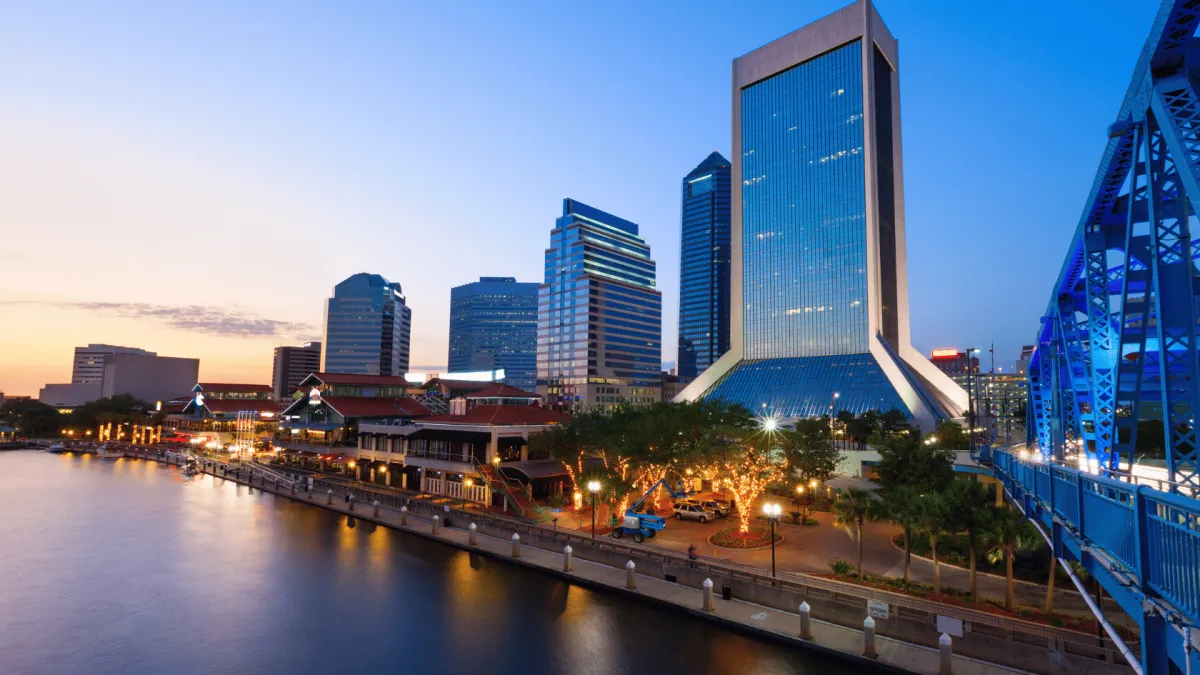
Buying a Vacation Rental on Florida's Atlantic Coast: Keys to Jacksonville
Florida's Atlantic Coast isn't one market — it's several very different ones stacked along a single highway. The Keys and South Florida (Miami, Fort Lauderdale, Palm Beach) offer strong year-round demand but come with the state's highest price points, tightest short-term rental regulations, and steepest insurance costs. The Space Coast, Daytona, and St. Augustine offer more accessible entry points tied to specific draws — rocket launches, racing, and history tourism — with lower saturation but more seasonal demand. Jacksonville sits at the northern edge, functioning more like a traditional rental market than a vacation destination. The right stretch for you depends less on which beach looks nicest and more on your budget, your tolerance for regulation, and how the insurance and financing math actually work.
Florida's Atlantic Coast runs nearly the full length of the state, and treating it as one investment market is one of the more common mistakes I see buyers make. A condo in Key West and a townhome near Jacksonville Beach might both be marketed as "Florida vacation rentals," but they behave like entirely different asset classes — different demand drivers, different regulatory environments, and very different insurance exposure. Here's how to think about the corridor in sections.
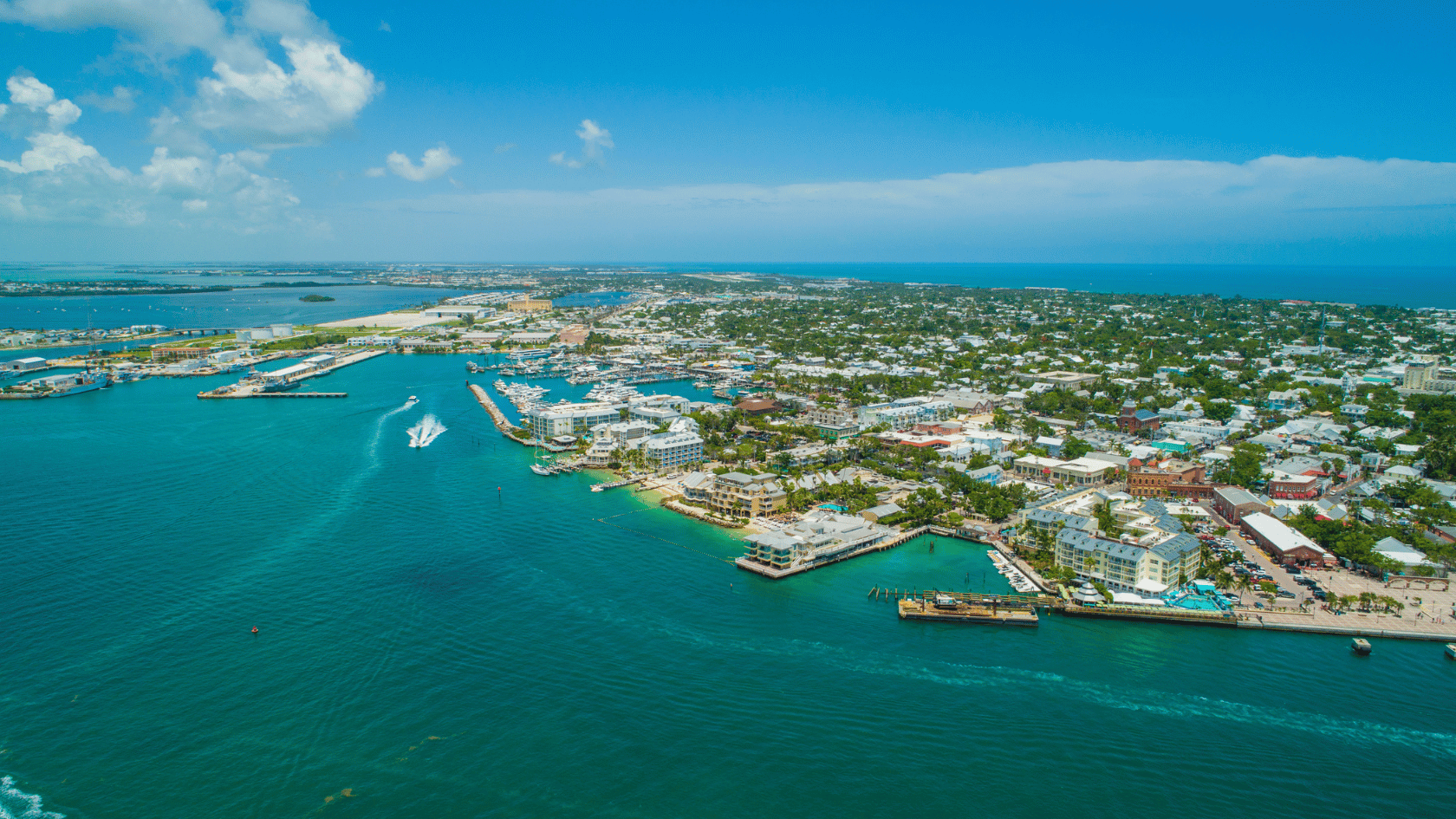
The Keys and South Florida: Highest Demand, Highest Barriers to Entry
Key West and the greater Miami–Fort Lauderdale–Palm Beach corridor are among the most recognized vacation destinations in the country, and that recognition comes at a cost — both in purchase price and in how much regulatory friction you'll encounter.
Key West in particular operates one of the strictest short-term rental licensing systems in the state. Vacation rental licenses have historically been capped, which means many buyers either pay a premium for a property that already carries an active license or face a waitlist for a new one. Before making an offer anywhere in the Keys, confirm the property's licensing status directly — don't assume a listing's "STR-ready" language reflects current reality.
Miami-Dade and Broward County municipalities vary widely on short-term rental rules, and some cities restrict or prohibit them entirely within certain zones, while others are far more permissive. This is a market where the specific city — not just the county — determines whether your investment thesis even works.
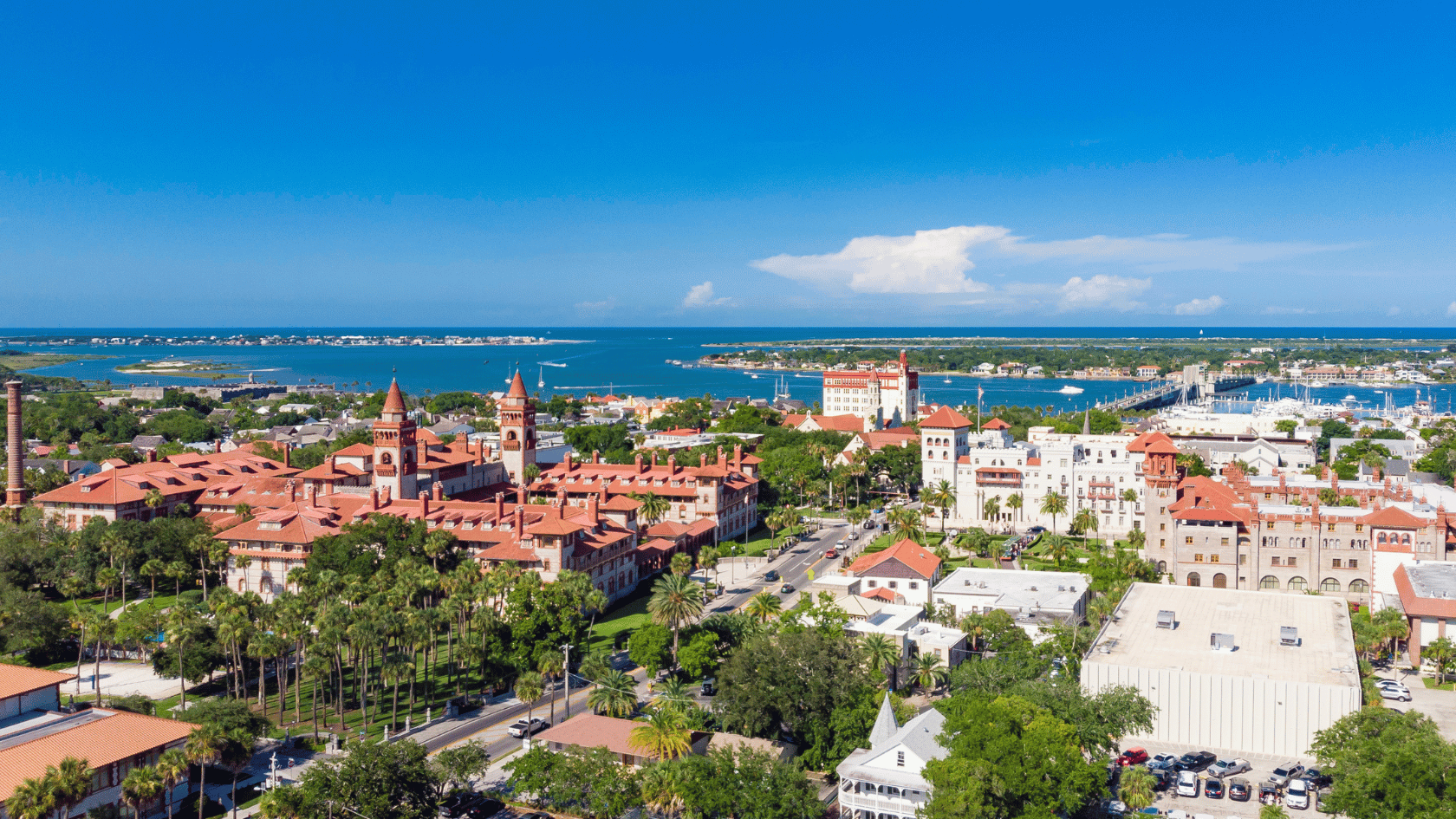
The Space Coast, Daytona, and St. Augustine: More Accessible, More Seasonal
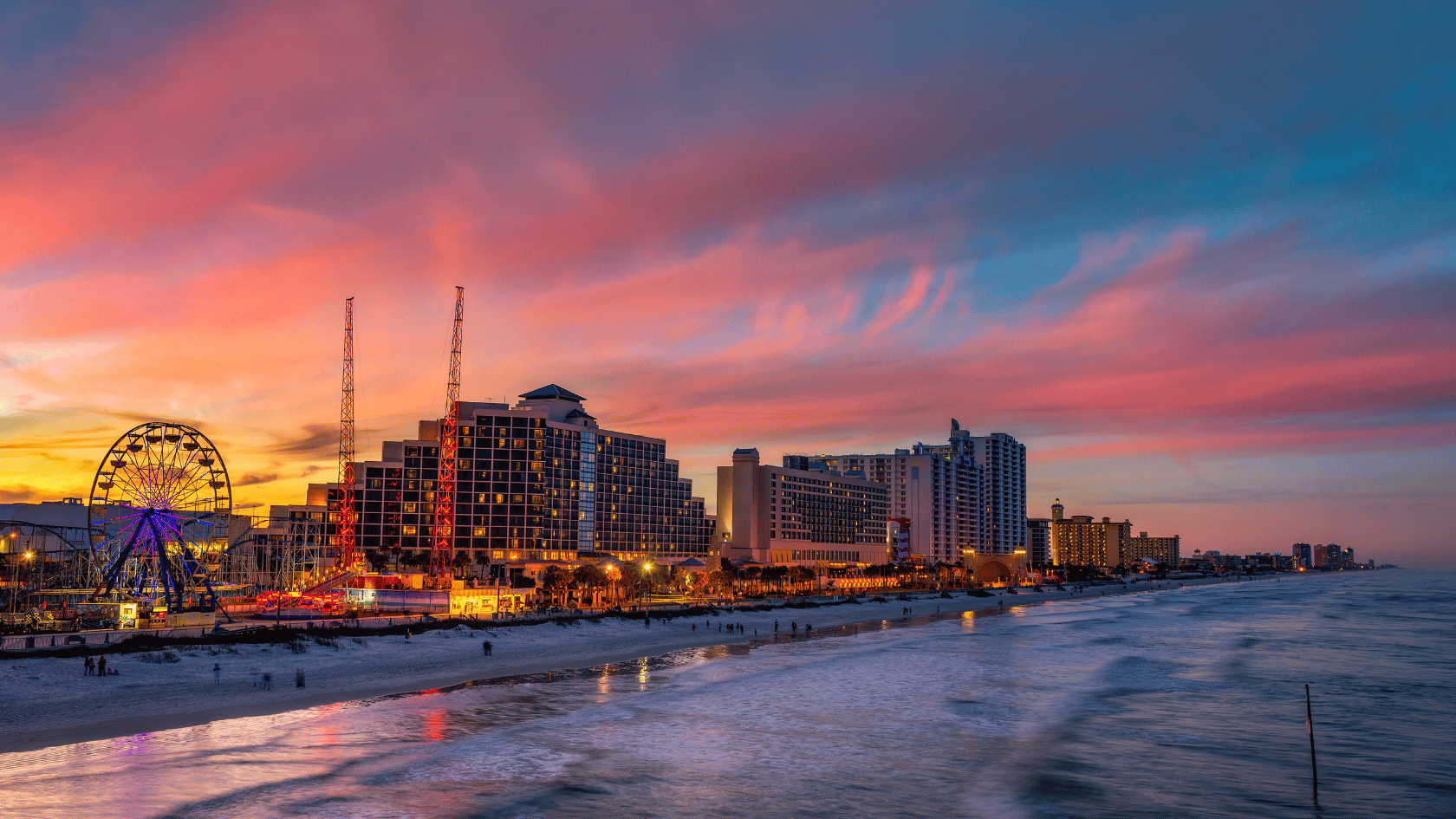
Moving north, the market changes character. Cocoa Beach and the broader Space Coast draw a steady, if less globally famous, stream of visitors tied to rocket launches at Kennedy Space Center and Cape Canaveral, along with cruise port traffic. Daytona Beach has built-in seasonal demand around racing events and spring travel. St. Augustine draws heritage and history tourism as the nation's oldest city.
These markets tend to offer lower entry prices than South Florida and, in many areas, less regulatory friction — though local rules still vary by city and should always be verified directly rather than assumed. The tradeoff is more pronounced seasonality: demand can concentrate around specific events or times of year rather than staying consistently strong year-round, which affects how you should model realistic occupancy.
Jacksonville: A Different Investment Thesis Entirely
Jacksonville anchors the northern end of this stretch, and it functions more like a traditional rental market than a vacation destination. If you're looking at Jacksonville, you're likely evaluating long-term rental or a hybrid strategy rather than a pure short-term vacation rental play — a meaningfully different financing and income conversation than the rest of this corridor.
Insurance and Flood Zone Considerations
The Atlantic Coast, almost in its entirety, carries meaningful hurricane and flood exposure, and insurance costs reflect that. A few things to weigh specifically for this region:
Barrier island and coastal properties — common throughout the Keys, Miami Beach, Fort Lauderdale's beach communities, and the Space Coast's beachside areas — are frequently in mapped flood zones requiring separate flood insurance in addition to standard homeowners coverage.
Roof age and wind mitigation features matter more here than almost anywhere else in the state, given direct Atlantic and hurricane exposure. Confirm insurability, not just insurance cost, before you're under contract — some older roofs may be difficult to insure at all with certain carriers.
Coastal versus inland pricing gaps can be significant even within the same city. A property a few blocks inland from the water can carry a meaningfully lower insurance premium than a comparable beachfront property, which changes the math on cash flow.
Get a property-specific insurance quote, including flood coverage where applicable, before your contingency deadline — a generic estimate based on the listing price won't capture what makes this corridor's insurance market so location-sensitive.
Market Saturation and Competitive Landscape
South Florida and the Keys are mature, highly competitive vacation rental markets with substantial existing inventory, which means differentiation, professional-quality listings, and dynamic pricing tools matter more to your actual returns than the raw fact of owning a property in a popular area. The Space Coast, Daytona, and St. Augustine are generally less saturated, but that also means less established infrastructure — fewer specialized property managers, for instance — which can shift more of the operational work onto the owner.
Before buying anywhere along this corridor, look at comparable active listings for the specific property type and area, not just headline occupancy statistics for the broader region.
Matching the Property Type to Your Financing
As with any Florida investment purchase, how you plan to use the property drives which loan makes sense — a Second Home Loan for personal-use-plus-rental, Conventional Investment Property Financing or a DSCR Loan for a purely income-focused purchase, or a Bank Statement Loan or Portfolio Loan for more complex income or portfolio situations. Given how much insurance and regulatory cost varies within this single corridor, running real numbers on the specific property — not a regional average — is essential before you commit to a financing path.
Frequently Asked Questions
Is it harder to buy a short-term rental in the Florida Keys than elsewhere in the state? In many cases, yes. Key West and other parts of the Keys operate stricter, often capped short-term rental licensing systems than many other Florida markets. Always confirm a property's current licensing status directly rather than relying on a listing description.
Which part of the Atlantic Coast has the most affordable entry point for a vacation rental? Generally, the Space Coast, Daytona Beach, and St. Augustine offer more accessible price points than South Florida or the Keys, though "affordable" is relative and still requires a full cost analysis including insurance and financing.
Why does flood insurance vary so much along this coastline? Flood zone designation depends on specific mapped risk for that property — proximity to the water, elevation, and barrier island status all play a role. Two properties in the same city can carry very different flood insurance requirements depending on their exact location.
Is Jacksonville a good market for short-term vacation rentals? Jacksonville generally functions more like a traditional long-term rental market than a vacation rental destination compared to the rest of this corridor. Buyers considering Jacksonville should evaluate it with a different investment lens than a beach-driven short-term rental strategy.
Let's Talk Through Your Specific Stretch of Coastline
Whether you're looking at the Keys, the Space Coast, or somewhere in between, the financing conversation should start with the specific property and market, not a regional assumption. Ask a professional or call or text Angela at 239-980-6669.
Angela Smith is a Mortgage Loan Officer with Florida Wholesale Mortgage, licensed to serve buyers statewide across Florida. NMLS #2666684 | Company NMLS #2180491 | Equal Housing Opportunity.