
Reverse Mortgage
Reverse Mortgage Explained: How It Works and Who It’s For
A reverse mortgage is a home loan designed for homeowners age 62 and older who want to access a portion of their home equity without selling their home or making monthly mortgage payments.
Unlike traditional mortgages, where borrowers make payments to the lender each month, a reverse mortgage allows the lender to pay the homeowner instead. These funds can be received as a lump sum, monthly payments, a line of credit, or a combination of these options.
The loan is typically repaid later when the homeowner sells the home, moves out permanently, or passes away.
Many retirees use reverse mortgages to increase their retirement income while continuing to live in the home they already own.
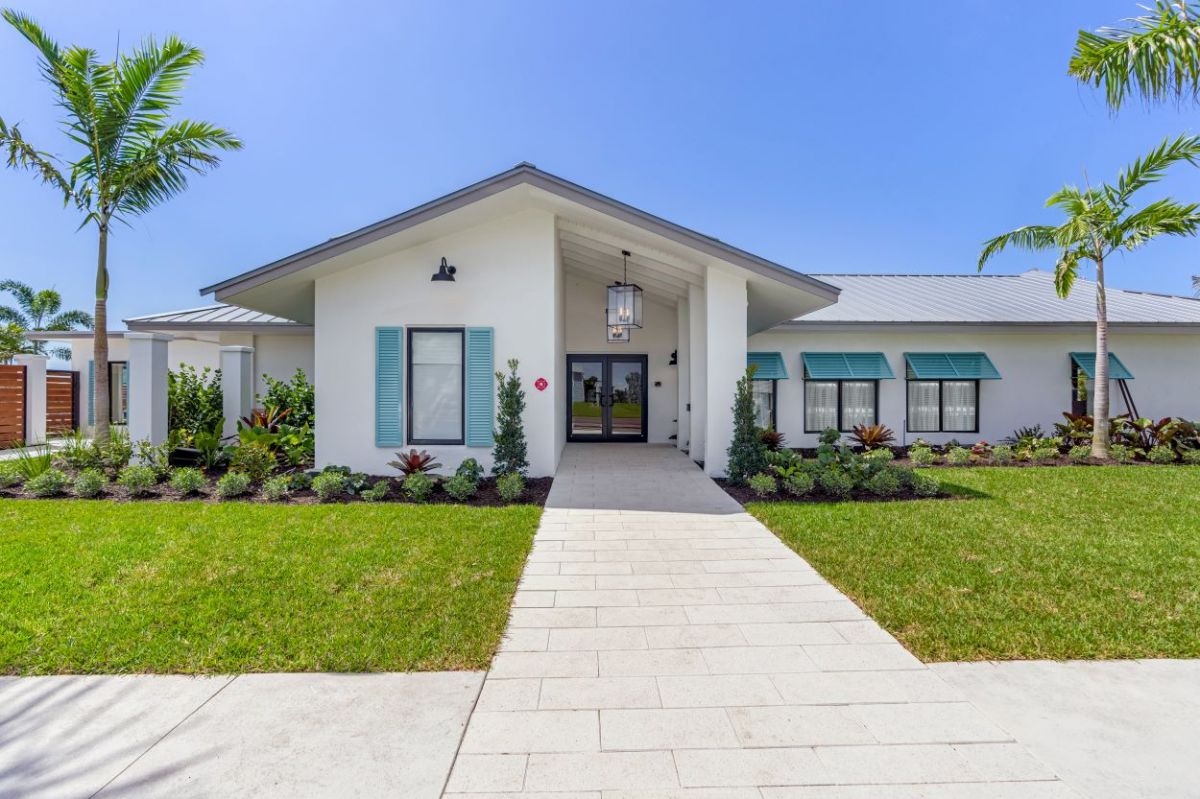
Who Is Eligible for a Reverse Mortgage?
To qualify for a reverse mortgage, homeowners must meet several basic requirements.
Typical eligibility guidelines include:
• At least one borrower must be 62 years of age or older
• The home must be the borrower’s primary residence
• The homeowner must have sufficient equity in the property
• The home must meet FHA property standards (for FHA-backed programs)
• Borrowers must continue paying property taxes, insurance, and maintenance
If multiple borrowers are listed on the loan, only one borrower needs to meet the age requirement, but all borrowers must live in the home as their primary residence.
Benefits of a Reverse Mortgage
Reverse mortgages can provide significant financial flexibility for retirees.
One of the biggest benefits is that homeowners are not required to make monthly mortgage payments as long as they continue to meet loan obligations.
Other potential advantages include:
• Additional monthly income during retirement
• Funds that can be used for medical costs, home improvements, or everyday living expenses
• Access to home equity without selling your home
• Protection from foreclosure as long as loan terms are met
• Flexible payout options depending on financial needs
For many retirees, a reverse mortgage can provide financial stability and peace of mind while remaining in their home.
Types of Reverse Mortgages
There are three primary types of reverse mortgages available.
Home Equity Conversion Mortgage (HECM)
The HECM is the most common reverse mortgage and is insured by the Federal Housing Administration (FHA). This program offers strong consumer protections and flexible payment options.
Single-Purpose Reverse Mortgage
These loans are typically offered by local or state government agencies and are designed for specific purposes such as paying property taxes or completing home repairs.
Proprietary Reverse Mortgage
Proprietary reverse mortgages are private loans offered by lenders. These may allow larger loan amounts for higher-value homes and are not backed by the FHA.
Choosing the right reverse mortgage depends on your home value, financial needs, and long-term retirement plans.
Is a Reverse Mortgage Right for You?
If you are age 62 or older and want to explore ways to access your home equity while continuing to live in your home, a reverse mortgage may be an option worth considering.
Angela Smith, Mortgage Specialist with Florida Wholesale Mortgage, can help you review the available options and determine whether a reverse mortgage aligns with your financial goals.
About Us
Florida Wholesale Mortgage brings over 20 years of lending experience and consistently ranks among the highest in overall customer satisfaction among Florida mortgage companies. Angela Smith proudly serves homebuyers across the entire state of Florida, with a strong local focus in Southwest Florida, delivering personalized mortgage solutions tailored to each client’s goals.

Angela Smith | Mortgage Loan Officer
Florida Wholesale Mortgage
Phone: 239-980-6669
Email: [email protected]
NMLS #2666684 | Licensed in FL
Florida Wholesale Mortgage LLC
NMLS #2180491
nmlsconsumeraccess.org


© 2026 Florida Wholesale Mortgage: Angela Smith – Mortgage Loan Officer
Serving: Naples • Fort Myers • Cape Coral • Estero • Bonita Springs • Southwest Florida